
In banking, compliance means adhering to laws, regulations, and internal policies that govern financial institutions. These compliance obligations span consumer protection, Anti-Money Laundering (AML), data privacy, and fair-lending practices. It's essential for protecting customers, maintaining financial stability and building trust in the financial system.
To manage this effectively, institutions need a structured approach that goes beyond manual processes. This is where a regulatory Compliance Management System (CMS) comes in, a framework designed to streamline compliance, reduce risk and maintain operational integrity.
What is Compliance Management System?
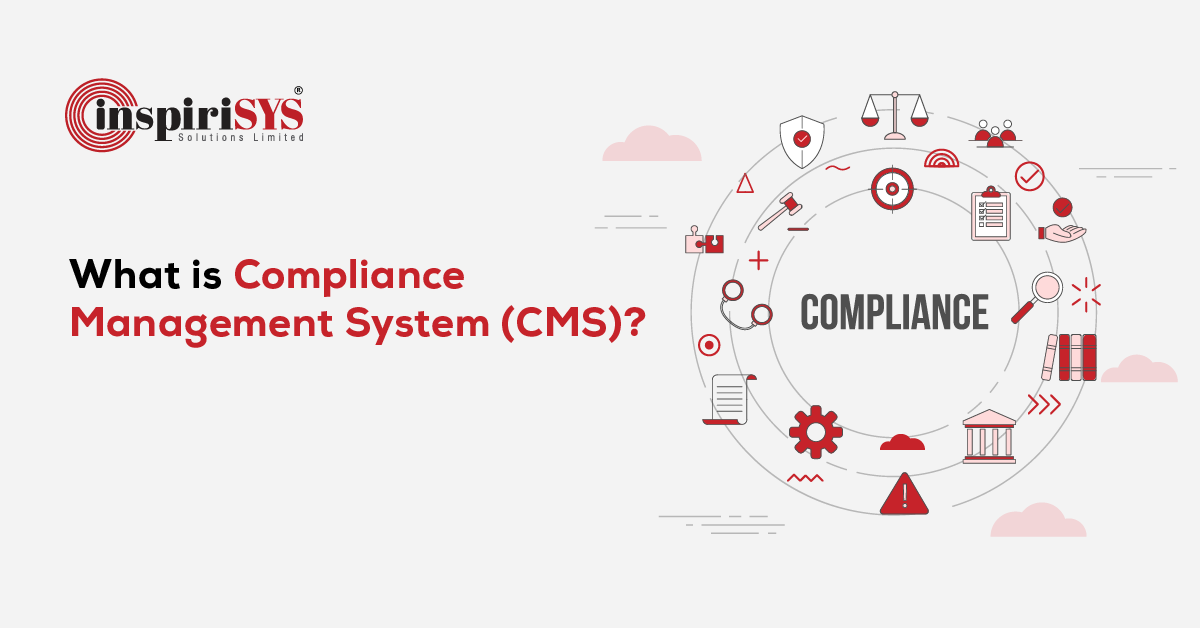
A Compliance Management System (CMS) is the internal mechanism through which banks govern, monitor, and enforce compliance across the organization. It defines how responsibilities are assigned, how controls are implemented, and how issues are identified, escalated, and resolved. Unlike ad hoc or one-time compliance efforts, a CMS establishes continuous monitoring, accountability, and remediation, making compliance a sustained, organization-wide function rather than a reactive response.
For banks, a well-implemented CMS is essential for navigating regulatory complexity. It provides the structure needed to manage requirements such as Basel III, Anti-Money Laundering (AML), and data privacy obligations in a consistent and controlled manner. In doing so, a CMS positions compliance as an embedded organizational capability rather than a reactive regulatory exercise.
Why Compliance Matters in Modern Organizations?
In the banking sector, the cost of non-compliance has risen sharply. Regulatory penalties, heightened supervisory scrutiny, and public enforcement actions expose financial institutions to significant financial and reputational damage. Even isolated compliance failures can have far-reaching consequences in an environment where transparency and accountability are closely monitored.
Beyond penalties, compliance plays a critical role in managing systemic and financial crime risks. Requirements related to Anti-Money Laundering (AML) and Know Your Customer (KYC) are central to preventing misuse of the financial system for illicit activities such as money laundering and terrorist financing. Effective compliance practices help banks detect, prevent, and respond to these risks before they escalate.
Core Elements of a CMS
In banking, the core elements of a CMS translate regulatory expectations into day-to-day practice. The ones listed below align with common examination criteria across banking regulators and reflects how institutions operationalize regulatory compliance in practice.
Policies and Procedures
Policies and procedures form the documented foundation of a bank’s Compliance Management System. They translate regulatory obligations into clear rules and step-by-step workflows that staff follow consistently across products and channels.
Best-practice guidance compliance framework treat policy and procedure management as an ongoing discipline -one that clearly defines requirements, assigns ownership, and embeds compliance into everyday operations.
Centralizing regulations, policies, controls and mapping updates to internal requirements reduces blind spots and speeds remediation when updates occur. Automation further supports CMS by flagging gaps and enabling timely corrective action.
Risk Assessment and Monitoring
Risk assessment and monitoring enable banks to identify vulnerabilities and prioritize compliance efforts based on exposure and impact. Risk assessment evaluate potential threats such as money laundering, fraud, cybersecurity breaches, and operational lapses based on the bank’s products, services, and geographic exposure. A risk-based approach ensures resources are directed toward areas of highest concern, in line with ISO 37301 and global compliance standards.
Modern CMS frameworks recommend leveraging automation and analytics to track transactions, highlight suspicious activities and uncover policy breaches in real time. Regular reviews and dashboards help compliance teams stay informed and act quickly when risks emerge.

Internal Controls and Audits
Internal controls are the mechanisms that enforce compliance within a bank’s daily operations. They include transaction limits, segregation of duties, approval workflows, and automated checks that ensure policies are applied consistently across processes. By embedding compliance into routine activities, internal controls help reduce errors, prevent misconduct, and limit regulatory breaches.
Internal and external audits assess the effectiveness of these controls. Regular audits provide independent assurance that compliance requirements are met and help expose areas of non-conformance before they escalate into regulatory issues.
Reporting and Documentation Tools
Reporting and documentation tools support transparency, traceability, and regulatory readiness within a Compliance Management System. They consolidate compliance data, track issues and remediation activities, and maintain audit-ready records across business units.
By providing structured visibility into compliance status, these tools enable banks to respond efficiently to regulatory inquiries and examinations. Consistent documentation also demonstrates that compliance activities are monitored, recorded, and actively managed.
Challenges in Compliance Management Systems
Banks operate in a fast-moving regulatory environment, where expectations evolve rapidly and enforcement scrutiny continues to intensify. While Compliance Management Systems are designed to bring structure and control, many institutions struggle to implement them effectively.
Listed below are the challenges in CMS that undermine its effectiveness in banking environments:
Fragmented Regulatory Tracking
Regulatory requirements are often tracked across disconnected tools, spreadsheets, and business-unit repositories. This fragmented approach creates information silos, making it difficult to maintain a single, accurate view of applicable obligations. As regulations change frequently, delayed updates or inconsistent interpretations increase the risk of missed deadlines, incomplete implementation, and conflicting compliance actions across the organization. Over time, this fragmentation drives higher operational costs and elevates the likelihood of regulatory penalties.
Lack of Centralized Oversight
In the absence of centralized oversight, compliance responsibilities tend to be distributed unevenly across business units. Different teams may interpret and apply the same regulatory requirement in varying ways, leading to accountability gaps and inconsistent outcomes. Senior management and compliance leadership often lack real-time visibility into compliance status, relying instead on periodic reports or audit findings. This reactive posture limits early intervention and allows systemic issues to surface only after regulatory deficiencies are identified.
Manual and Inefficient Workflows
Many compliance programs continue to rely on manual workflows for task assignment, evidence collection, and issue tracking. Email-based coordination and spreadsheet-driven follow-ups slow response times and introduce human error. These inefficiencies become particularly problematic during regulatory examinations or when responding to time-sensitive supervisory requests. As compliance workloads grow, manual processes strain resources, reduce accuracy, and divert teams away from higher-value risk management activities.
Challenges in Regulatory Reporting and Submissions
Regulatory reporting remains one of the most resource-intensive aspects of compliance management. Preparing submissions often requires manual data extraction, reconciliation, and validation across multiple systems, especially for structured formats such as XML or XBRL. Errors or inconsistencies at this stage can result in rejected filings, resubmissions, and supervisory scrutiny. The cumulative impact includes delayed reporting, increased compliance costs, and heightened exposure to enforcement actions for inaccurate or incomplete disclosures.

Benefits of Implementing a CMS
Implementing a structured CMS enables banks to manage regulatory obligations through a consistent, controlled, and scalable operating model. This approach delivers several tangible benefits across governance, operations, and regulatory engagement.
Regulatory Compliance and Risk Reduction
A robust CMS acts as an early-warning system, identifying potential regulatory compliance gaps before they escalate into legal violations. By mapping regulatory requirements directly to internal controls, banks can significantly reduce the risk of non-compliance, reducing the likelihood of regulatory breaches, enforcement actions, and supervisory escalation.
Improved Transparency and Accountability
A CMS establishes clear ownership for compliance activities across the organization. Defined roles, responsibilities, and escalation paths eliminate ambiguity and support stronger governance oversight. Comprehensive audit trails provide verifiable evidence of actions taken, supporting management assurance and facilitating smoother internal reviews and regulatory examination.
Streamlined Processes and Efficiency
By replacing manual, spreadsheet-based tracking with automated workflows, a CMS dramatically reduces the administrative burden on compliance teams. Automation speeds up the lifecycle of regulatory intake, task assignment, and reporting, allowing staff to shift their focus from repetitive data entry to high-value risk analysis and strategic planning.
Enhanced Reputation and Trust
Consistent and well-governed compliance practices enhance an institution’s standing with regulators and external stakeholders. A demonstrable commitment to compliance maturity supports constructive regulatory engagement and reinforces institutional credibility, enabling banks to pursue growth initiatives with greater confidence and fewer regulatory constraints.
CMS Approaches and Deployment Models
The effectiveness of a Compliance Management System depends not only on design, but also on how it is implemented and deployed. Banks typically adopt different CMS approaches based on regulatory complexity, operational scale, and technology strategy.
Manual vs. Automated CMS
Manual CMS relies on traditional tools like spreadsheets, static checklists and email-based tracking while accessible and low-cost initially, these systems are prone to human error and struggle to keep up with the data overload of modern regulations.
In contrast, an Automated CMS utilizes technology to monitor updates in real-time, trigger workflow alerts and generate reports instantaneously. For institutions handling high-volume or complex obligations, this shift improves consistency, responsiveness, and operational control without relying on ad hoc processes.
Cloud-Based vs. On-Premise Solutions
CMS platforms may be deployed either through cloud-based environments or on-premise infrastructure. Cloud-based deployments offer faster implementation, easier scalability, and regular updates, making them suitable for institutions seeking flexibility and rapid adaptation to regulatory change.
On-premise deployments, by contrast, provide greater control over data residency and infrastructure configuration. Many banks continue to adopt this model to align with internal governance policies and jurisdiction-specific data sovereignty requirements. In practice, deployment choices are often driven by a balance between regulatory expectations, security posture, and long-term technology strategy.
Steps to Implement an Effective CMS
Successfully deploying a Compliance Management System requires a structured approach that moves from high-level risk identification to daily operational execution.
Assess Organizational Needs and Risks
Conduct a comprehensive assessment of the bank’s regulatory, financial, and operational risk landscape. Evaluate existing compliance practices, regulatory exposure, and internal vulnerabilities across products, customer segments, and geographies. Use the results of this assessment to prioritize focus areas and define the scope of the CMS based on the institution’s specific risk profile.
Define Policies and Standards
Establish clear, written policies and standards that translate regulatory requirements into actionable internal rules. Define roles, responsibilities, and approval structures to ensure consistent application across departments. Use these policies as the baseline for measuring compliance performance and guiding operational decision-making.
Select Tools and Technology
Select compliance tools and technology that can support centralized oversight, structured workflows, and timely regulatory reporting. Replace manual tracking methods with purpose-built platforms capable of managing regulatory intake, task coordination, and submission processes. For banking environments, prioritize solutions that align with regulatory complexity and reduce operational delays without increasing execution risk.
Train Employees and Stakeholders
Develop and deliver ongoing training programs to ensure employees and relevant stakeholders understand their compliance responsibilities and the systems supporting them. Communicate policy updates clearly, reinforce expected practices, and equip teams to recognize and escalate potential compliance issues. Consistent training helps embed compliance into daily decision-making rather than treating it as a periodic requirement.
Monitor, Audit, and Continuously Improve
Establish continuous monitoring and periodic audit processes to evaluate CMS performance after implementation. Track key compliance indicators, review audit outcomes, and assess regulatory developments to identify areas for improvement. Use these insights to update controls, refine processes, and strengthen governance, ensuring the CMS remains effective as regulatory expectations evolve.
Conclusion
In a regulatory environment defined by constant change, the real differentiator for banks is not compliance alone, but the ability to manage compliance with clarity and consistency. A well-implemented Compliance Management System provides the structure needed to sustain this discipline, enabling institutions to move beyond short-term regulatory responses toward long-term governance maturity.
When compliance processes are unified, measurable, and continuously improved, banks gain more than regulatory alignment-they gain confidence in how obligations are interpreted, executed, and overseen across the organization. This foundation allows leadership to focus on resilience, growth, and informed decision-making without being constrained by operational uncertainty.
Komply360 complements this approach by providing a centralized, technology-enabled platform designed for the realities of banking compliance. By supporting structured execution, visibility, and regulatory readiness, it helps Banks and financial institutions reinforce their CMS objectives and sustain compliance as a controlled, enduring capability rather than a recurring challenge.