
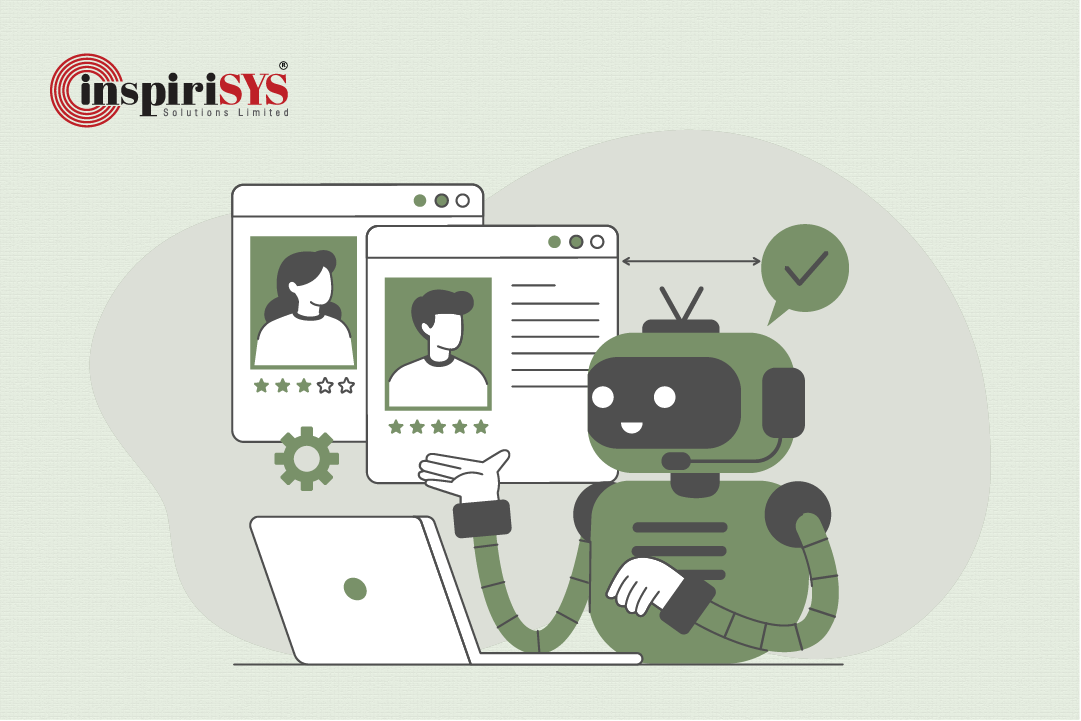
What if Human Resources could instantly identify the perfect candidate, understand what drives employee engagement, or predict performance trends without waiting for annual reviews? It may sound like something from the future, but AI is already making these possibilities a reality. As businesses race to stay competitive, HR is no longer confined to administrative tasks and AI is opening up new possibilities for innovation and efficiency in managing human resources.
By incorporating AI, HR teams are now empowered to make more informed decisions, reduce biases, and optimize processes, all while delivering personalized experiences for employees. The real question has shifted from if AI will transform HR to how quickly it will redefine work, hiring, and talent development.
What is AI in HR?
AI in HR refers to the use of artificial intelligence technologies to enhance and streamline human resources functions. By utilizing machine learning algorithms and data analytics, AI helps automate time-consuming tasks and provide valuable insights into workforce management. This allows teams to focus on more initiatives such as talent development, employee engagement, and workforce optimization. AI doesn’t replace HR professionals but instead empowers them with tools that optimize traditional processes, ensuring that HR is more strategic and responsive to the needs of the organization.
Types of AI Used in HR
Different types of AI serve specific purposes in HR, often working together to modernize HR functions and provide valuable perspectives. Here are some of the key AI technologies altering HR:
AI Agents
AI agents autonomously perform tasks or meet specific goals with minimal human intervention. They’re used for sourcing candidates, handling benefits enrolment, and monitoring compliance, ensuring HR operations are efficient and up-to-date with regulations.
AI Assistants
AI assistants use Natural Language Processing (NLP) to provide interactive support for more complex queries. They guide employees through HR processes like onboarding, answer routine questions, and personalize experiences by retaining past interactions and preferences.
Automation and Robotic Process Automation (RPA)
Automation and RPA simplify repetitive HR tasks such as data entry and payroll processing. These technologies complement AI by improving efficiency and freeing up HR professionals to focus on strategic functions.
Generative AI
Generative AI creates new content based on patterns from training data, helping HR teams quickly generate job descriptions, interview questions, and personalized learning materials, significantly reducing manual workload and improving content creation speed.
Natural Language Processing (NLP)
NLP enables machines to understand and analyze human language. It helps HR teams interpret vast amounts of data by extracting key information from surveys, resumes, and internal communications.
Predictive Analytics
Predictive analytics uses historical data to forecast future trends, such as staffing needs, performance patterns, and employee turnover. By providing actionable inputs, it helps HR teams plan proactively for future challenges and opportunities.
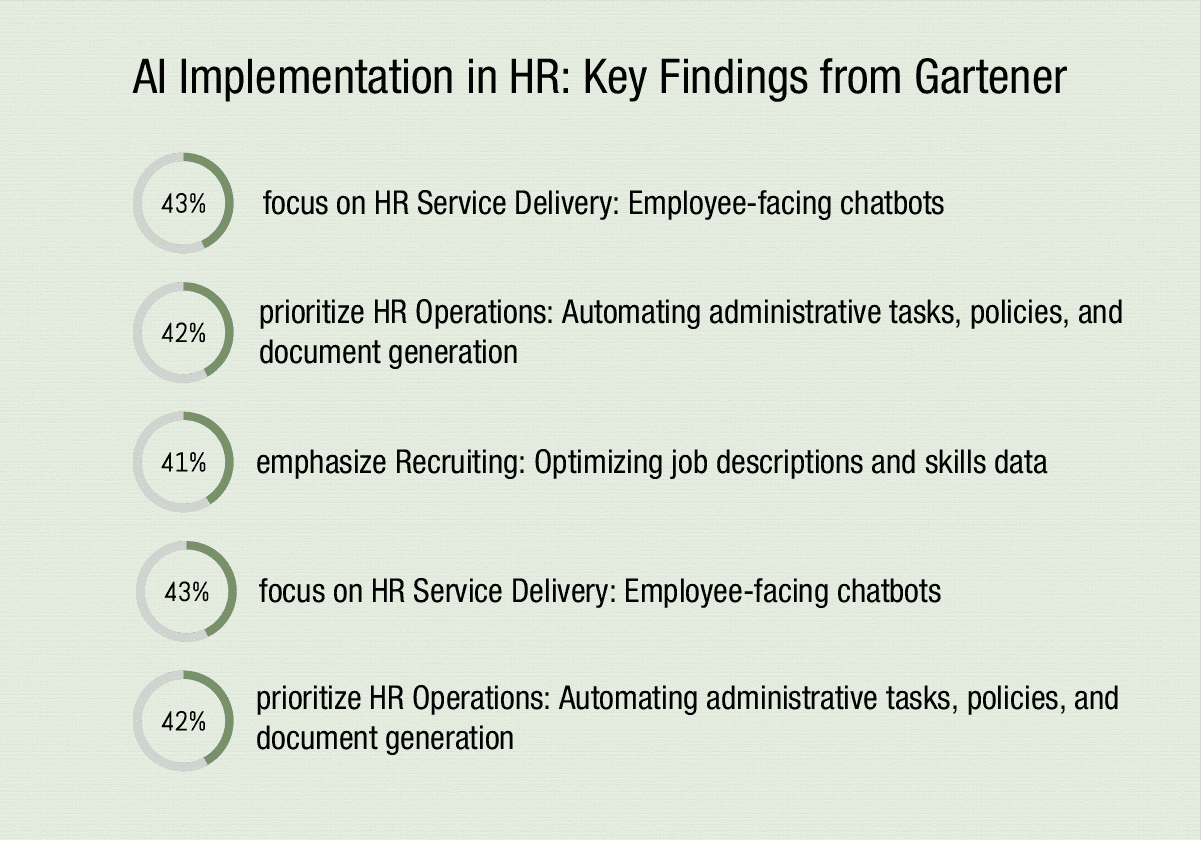
How is AI Changing HR Processes?
To gain a deeper understanding, explore how AI is making a significant impact in recruitment, employee management, and analytics.
AI in Recruitment
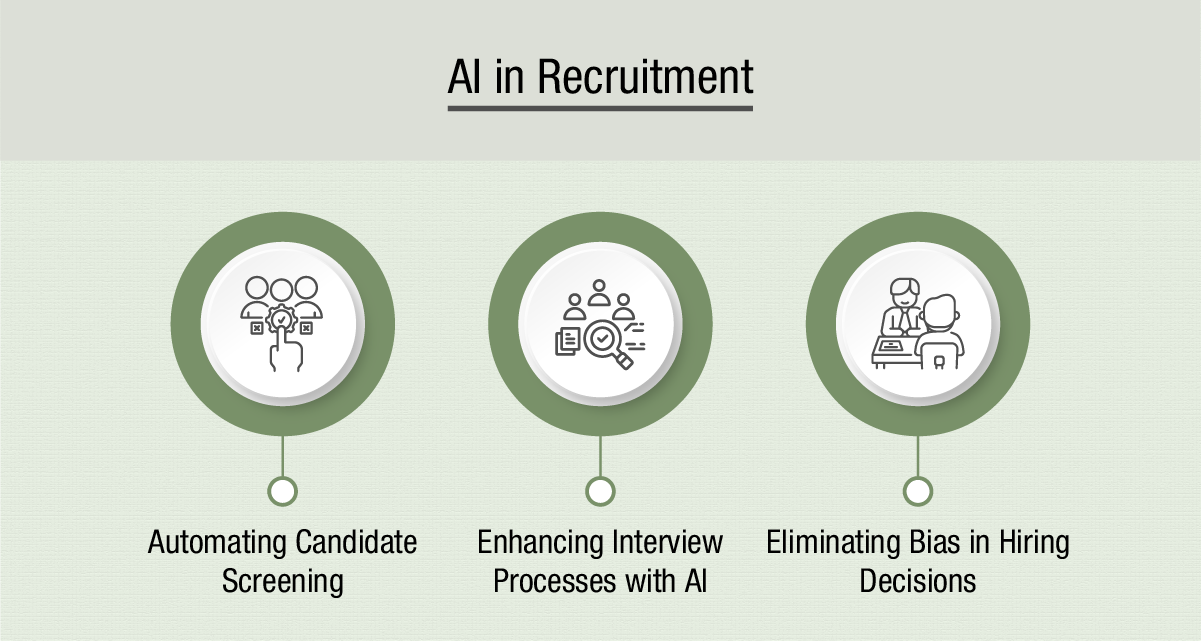
Automating Candidate Screening
AI can process thousands of resumes in minutes, comparing them to job descriptions and identifying the best matches. This automation drastically reduces the time spent by HR on manual screenings and helps focus only on the most promising candidates, speeding up the hiring process.
Enhancing Interview Processes with AI
Candidate assessments through chatbots and video interviews are other potential tasks, that AI makes easy. It can conduct structured video interviews, scrutinise responses for tone and word choice, and rank candidates accordingly. This not only expedites the interview process but also provides understanding beyond just qualifications. It can assess soft skills, such as confidence or communication style, that are critical for certain roles.
Eliminating Bias in Hiring Decisions
A key advantage of AI in recruitment is its capacity to minimize unconscious bias. AI tools analyze candidates based on data-driven attributes like skills, qualifications and experience rather than personal characteristics like age, gender, or ethnicity. By doing so, AI creates a more diverse and inclusive hiring process.
AI in Employee Management
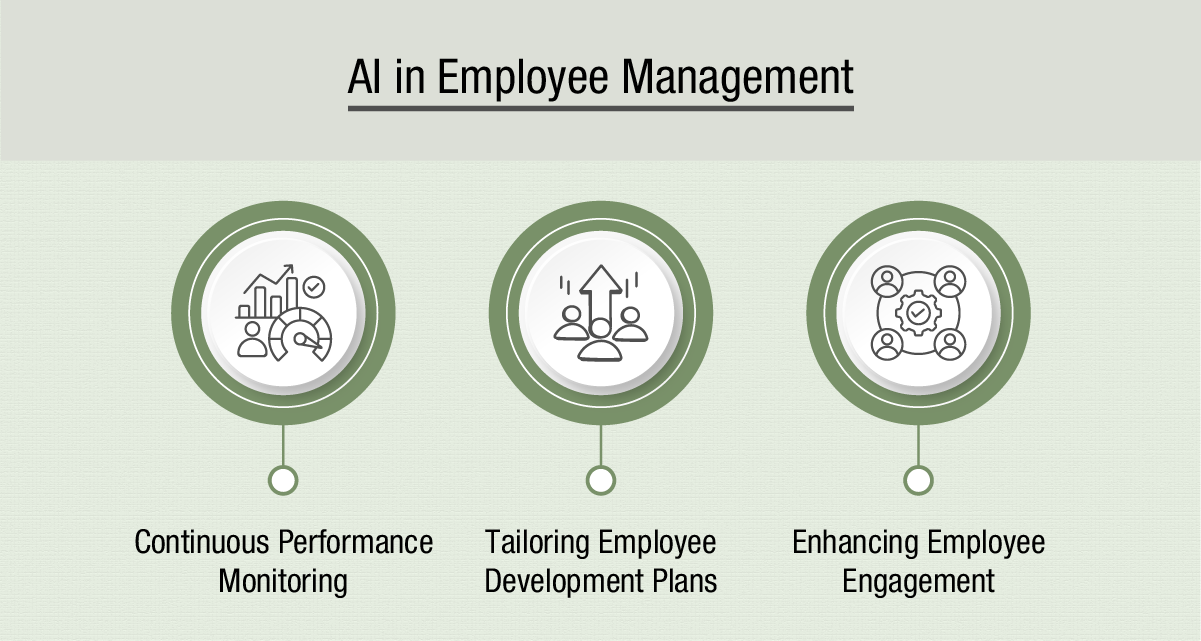
Continuous Performance Monitoring
AI allows for real-time performance tracking and analysis, giving managers the clarity into individual and team performance on an ongoing basis. By eliminating the need for traditional annual reviews, it ensures employees receive continuous feedback, helping them grow and develop more effectively.
Tailoring Employee Development Plans
AI can identify skill gaps and recommend personalized training plans. It can analyze an employee’s performance and suggest specific courses or development programs that match their career goals. This approach ensures that employees receive the right learning opportunities at the right time, boosting their engagement and satisfaction. It also makes the process of employee development more effective, as it’s based on data that reflects the employee’s needs.
Enhancing Employee Engagement
AI-driven sentiment analysis allows HR teams to gauge employee satisfaction by analyzing feedback from surveys, internal communications, and other sources. Platforms like Workday or Glint can measure employee morale and shift the focus to areas that need attention. If employees are unhappy with their workload, work-life balance, or management, AI can identify these patterns early, giving HR teams the chance to address concerns before they escalate.
AI for HR Analytics

Predicting Employee Turnover
AI can predict which employees are most likely to leave based on historical data, engagement scores, and work patterns. It helps track employee satisfaction and identify red flags, such as declining engagement or frequent absenteeism. By understanding turnover patterns, HR teams can take proactive measures, such as targeted retention strategies or career development programs, to reduce attrition.
Improving Workforce Planning
AI-driven analytics help HR teams anticipate staffing needs by analyzing data from various sources, including historical trends, business projections, and market conditions. It examines workforce data and predict future hiring needs, ensuring HR’s ability to plan for the right number of staff at the right time. This allows businesses to avoid overstaffing or understaffing, optimizing operational efficiency.
Refining Compensation Strategies
AI tools help HR departments study compensation data to ensure pay structures are competitive and fair. For instance, it is used to compare salary data from across industries and regions, helping HR teams ensure they’re offering competitive compensation. Additionally, AI can assess the relationship between compensation and employee satisfaction, enabling HR to make data-driven decisions on salary increases or bonuses to retain top talent.
Challenges and Solutions in AI Implementation for HR
While AI brings significant potential to HR, its implementation is not without challenges. Addressing these hurdles effectively is key to realizing the full benefits of AI in HR. Below are some of the key challenges organizations face, along with actionable solutions to overcome them:
Data Privacy and Security
One of the biggest concerns when integrating AI into HR is safeguarding sensitive employee data. From personal information to performance reviews, the data handled by AI systems needs to be protected with robust security protocols. Organizations must ensure compliance with data privacy regulations like GDPR, establish secure data storage and access controls, and implement clear data governance frameworks to avoid breaches.
Bias and Ethical Concerns
AI systems, if not carefully monitored, can inadvertently perpetuate biases within HR processes. These biases can affect outcomes around hiring, performance reviews, and promotions. It’s essential for HR teams to regularly audit AI outputs, maintain a diverse team for AI system development, and create transparent processes for addressing and correcting any biases identified. This ensures AI actions are fair, equitable, and aligned with the company’s ethical standards.
Human-AI Balance
Despite the powerful capabilities of AI, there are HR functions that require human insight empathy, and judgment especially when it comes to performance reviews, career development, and conflict resolution. HR teams must determine which tasks benefit from automation and which require the emotional intelligence and nuanced understanding that only humans can provide. A successful implementation strategy will blend AI’s efficiency with the essential human touch needed to maintain a positive, productive workplace culture.
Integration and Change Management
Integrating AI into existing HR systems and workflows presents both technical and cultural challenges. It is essential for organizations to ensure compatibility with legacy systems, standardize data formats, and invest in staff training to build AI literacy across HR teams. A well-planned, phased implementation approach, combined with effective communication about AI’s role, helps minimize disruption and ensures a smoother transition.
Conclusion
The integration of AI in HR is poised to reshape the workplace, but the journey requires more than just implementing technology. While AI excels at various areas under HR, it cannot replace the critical role of human judgment in shaping organizational culture and making strategic choices. For HR professionals, the key lies in leveraging AI as a complement to human expertise.
As we look to the future, AI’s role in HR will expand, offering both new opportunities and challenges. To harness its full potential, HR teams must approach AI with foresight, continually experimenting with emerging technologies while promising they align with organizational values and the evolving needs of employees. This balanced approach is essential for creating a workplace that embraces innovation while staying true to its human-centered mission.
Successful implementation of AI will require close collaboration between HR, IT, and data science teams to build stronger, more effective organizations. With ongoing monitoring, adaptation, and alignment to human goals, AI can drive HR’s transformation, empowering people and technology to thrive together.