
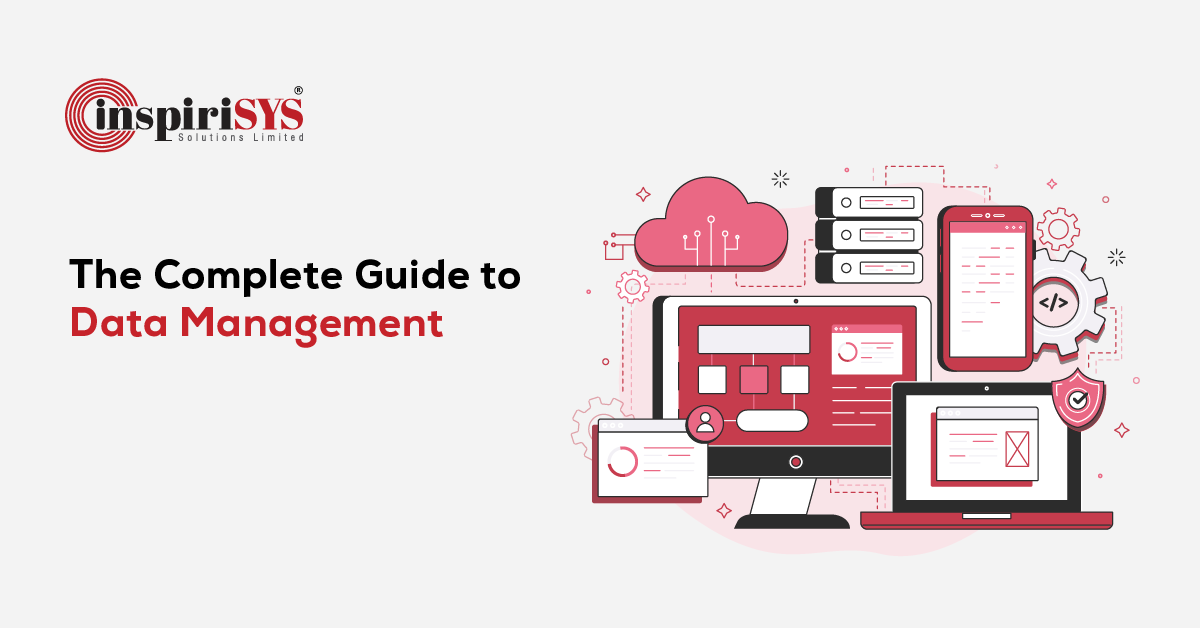
Data is created at every stage of business operations, yet many organizations struggle to maintain a consistent and reliable view of it across systems and processes. Effective Data Management provides the structure needed to keep data accurate, accessible, and trustworthy.
Organizations that manage data are better positioned to generate reliable insights, support informed decision-making, and improve operational efficiency. However, issues such as poor data quality and inconsistent data practices often limit the value organizations can derive from their data.
This guide explores the fundamentals of Data Management, its core components, common challenges organizations face, and the strategies that help maximize its benefits.
What is Data Management?
Data Management refers to the practice of overseeing data throughout its lifecycle, from creation and storage to usage, sharing, archival, and disposal. It provides the framework that organizations use to manage data across systems and ensure it remains available for business needs.
It encompasses the policies, processes, and technologies used to govern how data is collected, stored, maintained, and used. A well-defined Data Management approach helps organizations handle growing volumes of data while maintaining consistency and control across the enterprise.
Components of Data Management
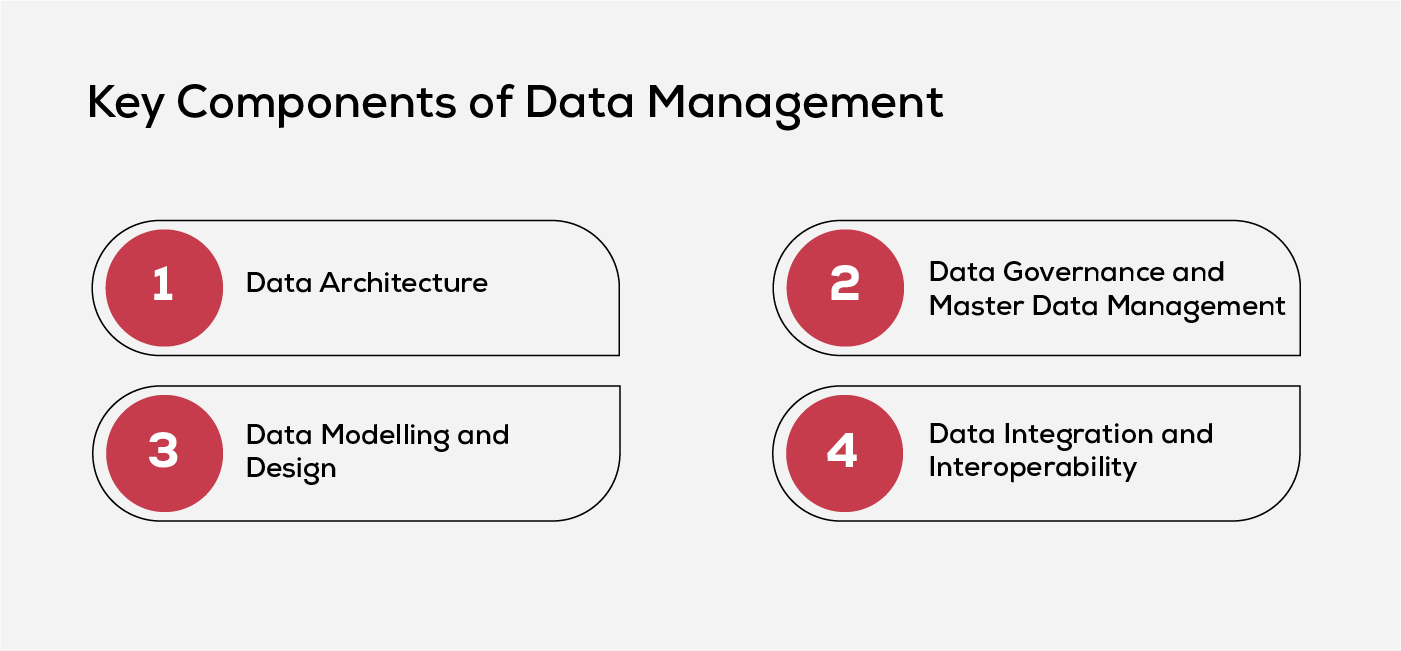
Data management is made up of several core components that work together to support how data is handled across an organization. Each component focuses on a specific aspect of managing data, such as structure, quality, access and integration. Together, they form an end-to-end approach that helps ensure data is usable for business needs.
Data Architecture
Data architecture defines the overall framework for how data is managed across an organization. It establishes the standards, principles, and technology structures that guide data storage, movement, and access across systems, applications, and cloud environments.
Data Governance and Master Data Management
Data governance establishes accountability for data through defined policies, responsibilities, and controls. It helps maintain consistency in data usage, supports regulatory compliance, and reduces the risk of errors and misuse.
Master data represents key business entities such as customers, products, suppliers, and employees. Master data management focuses on maintaining accurate and consistent records by resolving duplicates, correcting incomplete information, and creating a reliable source of truth.
Data Modelling and Design
Data modelling and design focus on the relationships between data elements and the rules that govern them. These activities provide the blueprint for database structures, helping ensure that data supports both operational processes and analytical needs.
Data Integration and Interoperability
Data often resides in multiple applications, platforms, and repositories. Data integration brings information together from these sources, while interoperability enables systems to exchange and interpret data accurately. Together, they support a connected data ecosystem and improve the availability of information for business use.
Challenges in Data Management
Data Management initiatives often encounter obstacles that can impact operational efficiency, business outcomes, and the overall value of data. Recognizing these challenges can help organizations prepare for them more effectively.
- Data Silos
Data often resides in disconnected environments, preventing organizations from developing a complete understanding of their operations. As information becomes fragmented, teams may rely on different versions of the same data, leading to inconsistent reporting and analysis.
- Data Privacy and Compliance
Regulatory requirements continue to evolve, increasing the complexity of managing sensitive information. Organizations that struggle to keep pace may face legal exposure, audit challenges, and declining stakeholder confidence.
- Data Security Risks
The growing volume and movement of data expands the potential attack surface for cyber threats. A single security incident can disrupt operations, compromise sensitive information, and erode customer trust.
- Poor Data Quality
Business decisions are only as reliable as the data behind them. When records contain inaccuracies, inconsistencies, or gaps, the impact can extend from day-to-day operations to strategic planning.
- Data Literacy Gaps
Access to data does not automatically translate into better decisions. Without the ability to interpret and apply data effectively, employees may overlook valuable insights or draw incorrect conclusions.
How to Prepare a Data Management Strategy?
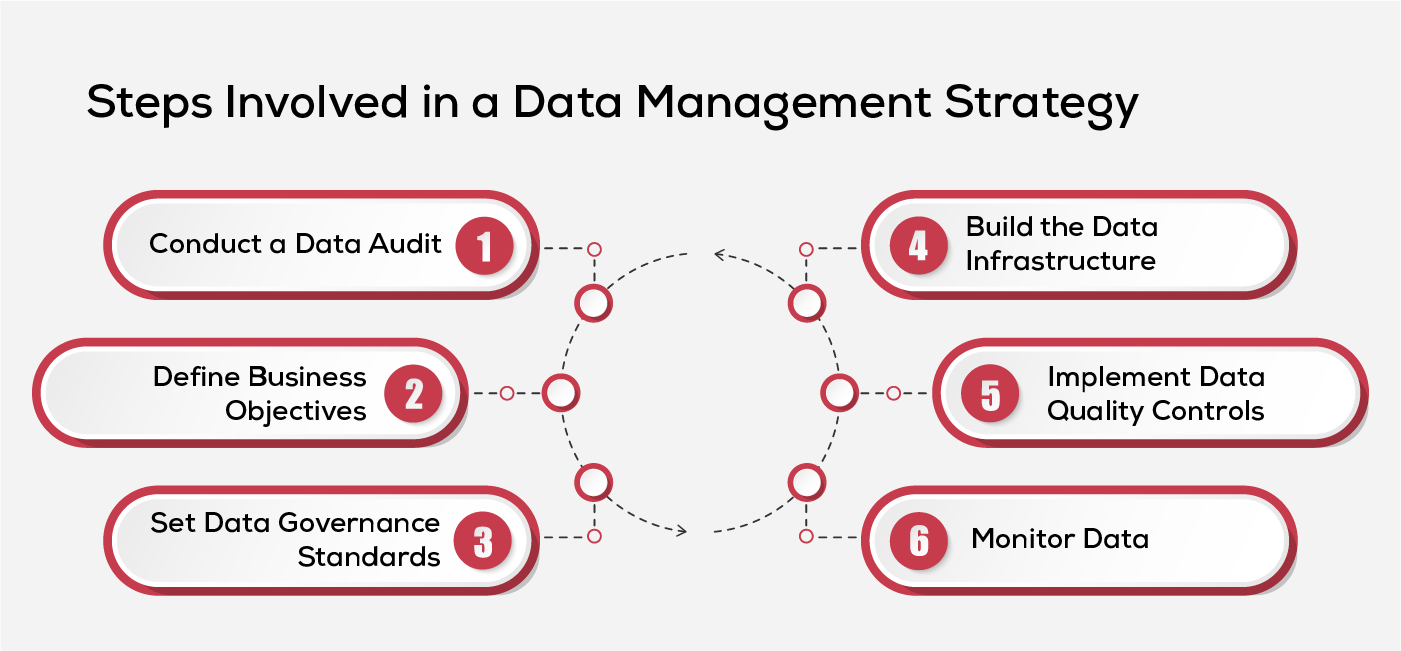
Without a clear strategy, Data Management efforts can become disconnected, leading to inconsistent practices and limited visibility into data assets. The following steps outline key considerations for building a right strategy that supports business objectives and long-term data initiatives.
Step 1: Conduct Data Audit
A Data Management strategy begins with a clear understanding of the organization's current data landscape. Conducting a data audit helps identify the information being collected, where it resides, and the systems and processes that depend on it.
The audit should also assess the overall condition of data by identifying duplicate records, incomplete information, outdated datasets, and other quality issues. These insights establish a baseline for future Data Management initiatives and help prioritize areas that require attention.
Step 2: Define Business Objectives
Once the current data environment has been assessed, the next step is to determine what the organization expects to achieve through Data Management. Objectives may include improving reporting accuracy, strengthening compliance, supporting analytics initiatives, or addressing operational challenges identified during the data audit.
Clearly defined objectives help shape Data Management priorities and provide a basis for measuring progress. They also ensure that data-related efforts remain tied to specific business outcomes rather than isolated technical activities.
Step 3: Set Data Governance Standards
With business objectives in place, the next step is to establish the governance standards needed to support them. This includes defining accountability for key data assets, setting expectations for data quality, and creating policies that govern data access and usage.
Governance standards provide a consistent framework for managing data and reducing ambiguity around ownership, stewardship, and control. They also help ensure that sensitive information is handled appropriately and in accordance with regulatory requirements.
Step 4: Build the Data Infrastructure
With governance standards established, the next step is to implement the infrastructure needed to support Data Management activities. This includes selecting the platforms, storage environments, and integration capabilities required to manage, process, and share data.
A well-designed environment supports reliable data movement between systems and provides the scalability needed to accommodate changing business demands.
Step 5: Implement Data Quality Controls
With the necessary infrastructure in place, organizations can establish controls to maintain data quality throughout its lifecycle. These controls help identify errors, inconsistencies, and incomplete records before they affect reporting, analytics, or operational processes.
Regular monitoring, validation checks, and clearly defined remediation procedures help maintain the integrity of data over time. Assigning ownership for data quality issues also ensures that problems are addressed consistently and resolved in a timely manner.
Step 6: Monitor Data
The final step is to evaluate the impact of Data Management efforts and determine whether they are delivering the intended outcomes. Establishing relevant performance measures can help track adoption, data usage, and progress against defined objectives.
Feedback from business users can provide additional insight into challenges related to data access, usability, and day-to-day processes. These insights help identify opportunities for improvement and support ongoing optimization of Data Management practices.
Benefits of Data Management
Strong Data Management influences several aspects of business performance and operations. The following benefits highlight the value organizations can realize by establishing a structured approach to managing data.
- Higher Data Accuracy
Reliable data supports accurate reporting, informed decision-making, and greater confidence in business insights. Data quality practices help identify and resolve inconsistencies, reducing the risk of errors that can affect operations and strategic planning.
- Enhanced Data Accessibility
When data is easy to locate, understand, and use, teams can respond faster to business needs and collaborate more efficiently. Clear data standards and governance practices help ensure information remains accessible to authorized users when needed.
- Stronger Data Security
Protecting sensitive information is a critical aspect of Data Management. Security controls, monitoring mechanisms, and access restrictions help reduce the risk of unauthorized access, data breaches, and misuse.
- Improved Business Continuity
Backup and recovery processes help organizations restore critical information following system failures, cyber incidents, or unexpected disruptions. This minimizes downtime and supports the continuity of business operations.
Top 10 Data Management Tools for Businesses
Implementing Data Management at scale often requires specialized platforms that support activities such as data integration, governance, quality management, analytics, and storage. The following tools are widely used by organizations to manage complex data environments and support a range of business and technical requirements.
- Tableau
- Talend
- Informatica
- SAP Data Services
- Alteryx
- Collibra
- Microsoft Azure Data Factory
- IBM InfoSphere
- Oracle Data Management Suite
- Snowflake
Selecting the right Data Management tools can help organizations streamline data operations, improve visibility into data assets, and maintain data quality at scale. By supporting reliable access to information and reducing manual effort, these tools enable organizations to make better use of their data and respond more confidently to business demands.
Conclusion
As organizations look to scale AI initiatives, automate decision-making processes, and derive greater value from enterprise data, the demands placed on data environments will continue to evolve. The quality of future outcomes will depend not only on the technologies adopted but also on the ability to maintain data that remains available, protected, and fit for use over time.
At Inspirisys, we help organizations strengthen their Data Management capabilities through Data Protection Solutions, Data Archival Solutions, and Data Replication Solutions. These solutions help safeguard critical information, support long-term retention requirements, and maintain data availability across business environments, enabling organizations to manage information with greater control and continuity.
Frequently Asked Questions
1. What is the difference between data management and data analytics?
Data management focuses on ensuring data is reliable, organized, and usable. Data analytics focuses on interpreting that data to gain insights. Analytics depends on strong data management; without it, analytical results may be inaccurate or misleading.
2. What is the difference between data governance and data security?
While closely related, data governance and data security are not the same. Data governance defines the rules and responsibilities surrounding data management, whereas data security protects data from threats, unauthorized access, and misuse.
3. Who should lead data management initiatives within an organization?
Leadership often comes from a combination of business and technical roles. While IT teams support infrastructure and tools, business leaders and data owners play a key role in setting priorities, defining requirements, and ensuring data supports organizational objectives.
4. What are best practices for managing data effectively?
Organizations can strengthen Data Management by enforcing data quality standards, implementing encryption and access controls, adopting metadata frameworks, automating lifecycle processes such as archival and deletion, and using integrated platforms to manage data efficiently.